
Best Method to
Capture an Image
of Your Fine Art
The artwork is telling you!
This could save you:
Money on bad service and worse results.
Hours of driving to drop off/pick up artwork when using a service.
Thousands of dollars on service, travel, or shipping costs.
What are your art’s characteristics?
-
✔ Scanner: The best situation for a scanner is when the artwork is flat, non-reflective, and can fit entirely on the scanner’s glass surface. So this is the best method for this situation because it’s quick and ease to use.
✔ Camera: While scanners are best for this scenario, in my opinion, photographing is still a valid option. This is especially so if you create other artwork that does not scan well. Save your money and buy one digitizing method that works for all of your art.
-
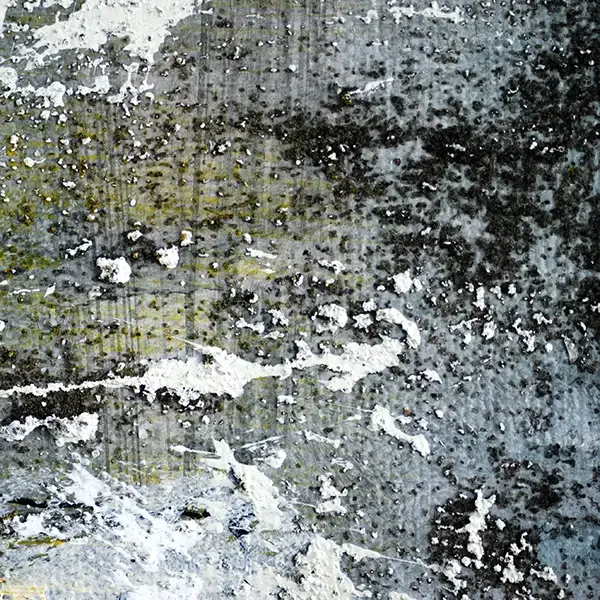
✘ Scanner: Textures move the substrate (e.g., canvas) away from the scanner’s glass, making it next to impossible to obtain a sharp rendering. In fact, the depth of focus measurement is either not mentioned or is very hard to find on most scanner manufacturer websites, making this very difficult to figure out what is actually going on (I know this from experience).
✔ Camera: with strategic lighting, photographing even lightly textured art is the best method to use.
-
ALWAYS scan or photograph your art BEFORE covering it with an isolation coat or varnish. Having said that, some paints and colours are simply naturally shiny, making it very hard to avoid “hot spots” or overexposed areas of the image, which leads to a lot of fixing up, or, worse, inaccurate results.
✘ Scanner: Because the light runs across the entire surface of the object being scanned, a reflective surface can end up overexposed or “washed out"-looking and inaccurate. You could take a stab at making it look better, but it’s a big waste of time because you’ll never get a professional, sharp, or accurate result from such a bad beginning.
✔ Camera: Use a camera and position lights strategically.
-
✘ Scanner: No, but it’s funny thinking what that looks like—holding up a flatbed scanner while walking around a sculpture to digitize it. I don’t think that’s going to work! LOL
✔ Camera: A camera is just the ticket. Sculptures require the added effort of multiple photographs that match. BUT lighting is super important, not to mention a very neutral background, if possible.
-
✘/✔ Scanner: Depending on how large the piece is, scanning can be done by using a specialized, extra large scanner or by scanning in pieces and assembling them in an image editor. Otherwise, photographing is best.
✔ Camera: Cameras are ideal for very large pieces. You may need to take multiple photographs and merge them, but don’t worry, I’ll walk you through every step necessary to make that happen.
Benefits of knowing this stuff include:
Better quality results. Sharing high-quality images of your fine art leads to your audience seeing and treating you as a professional.
Clear communication with printers and other services so everyone can prevent errors and save time and money.
You paying for the RIGHT equipment for your art and not wasting money on scanners or cameras that won’t work.
Know when a service is a waste of time and money before you go there!
August 24, 2026
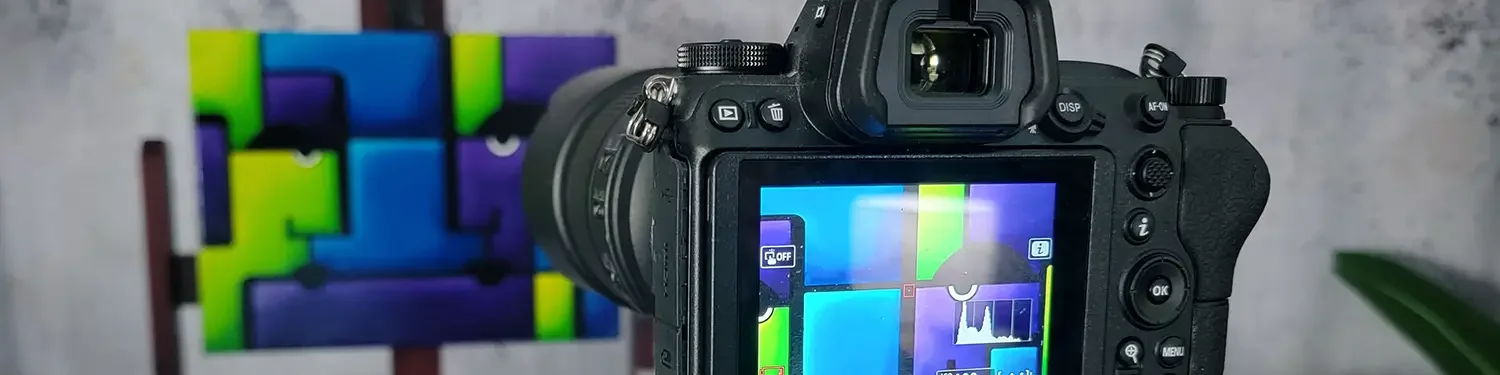
I’m working on videos for YouTube and on the “do it for you” service. The course on digitizing is coming along, too.
STAY TUNED!!
Click here to subscribe, and you’ll be notified when new videos come out (here and on YouTube), when this course is available, and anything else that you may be interested in as a fine artist.